Driving the Future Forward.
As change becomes the only constant, evolving is no longer
a choice but a necessity. We work alongside organizations to
reshape their path toward growth, innovation, and lasting
strength.
Transformation

PORTFOLIO
BRIDGE TECHNOLOGY SERVICES
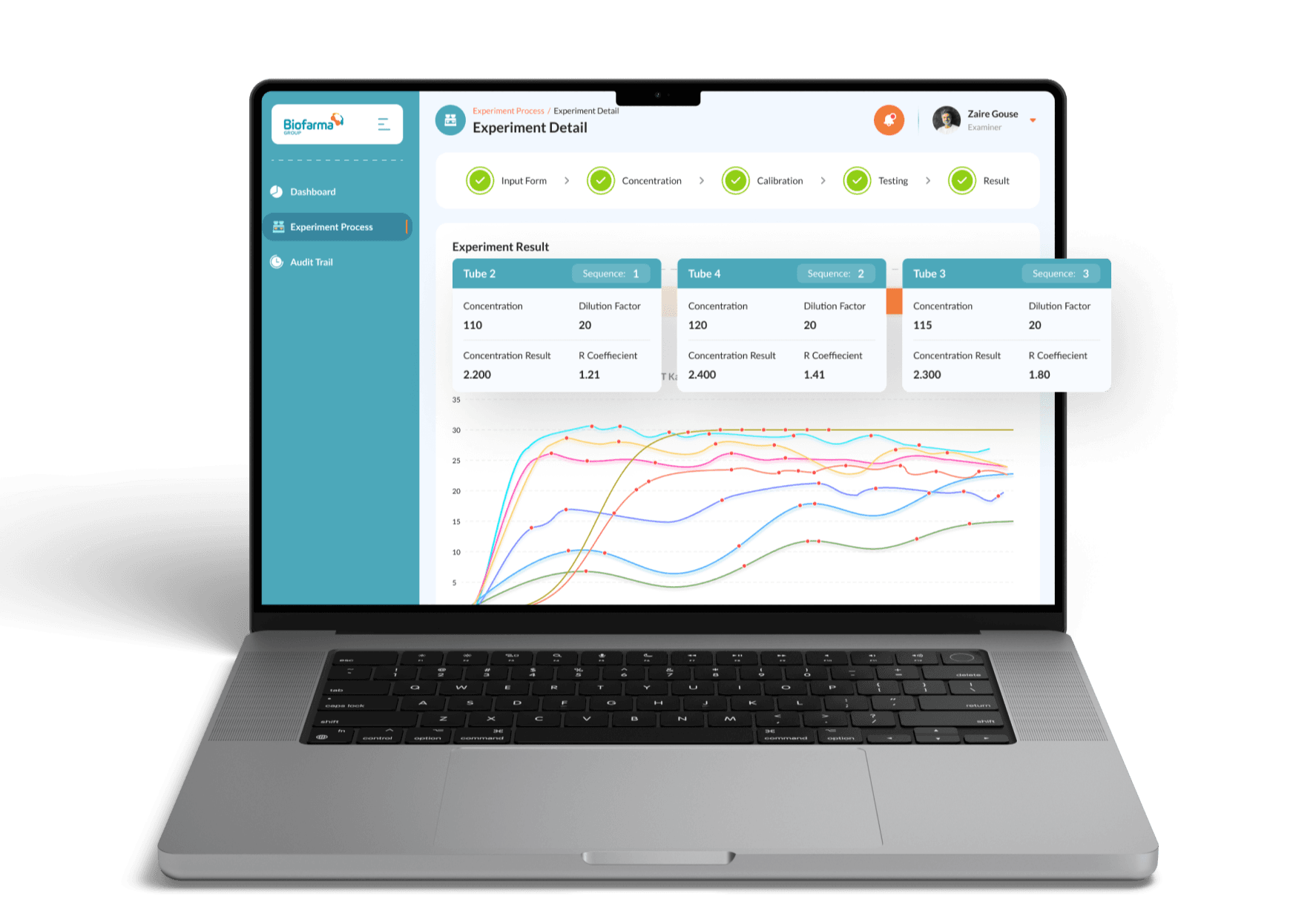
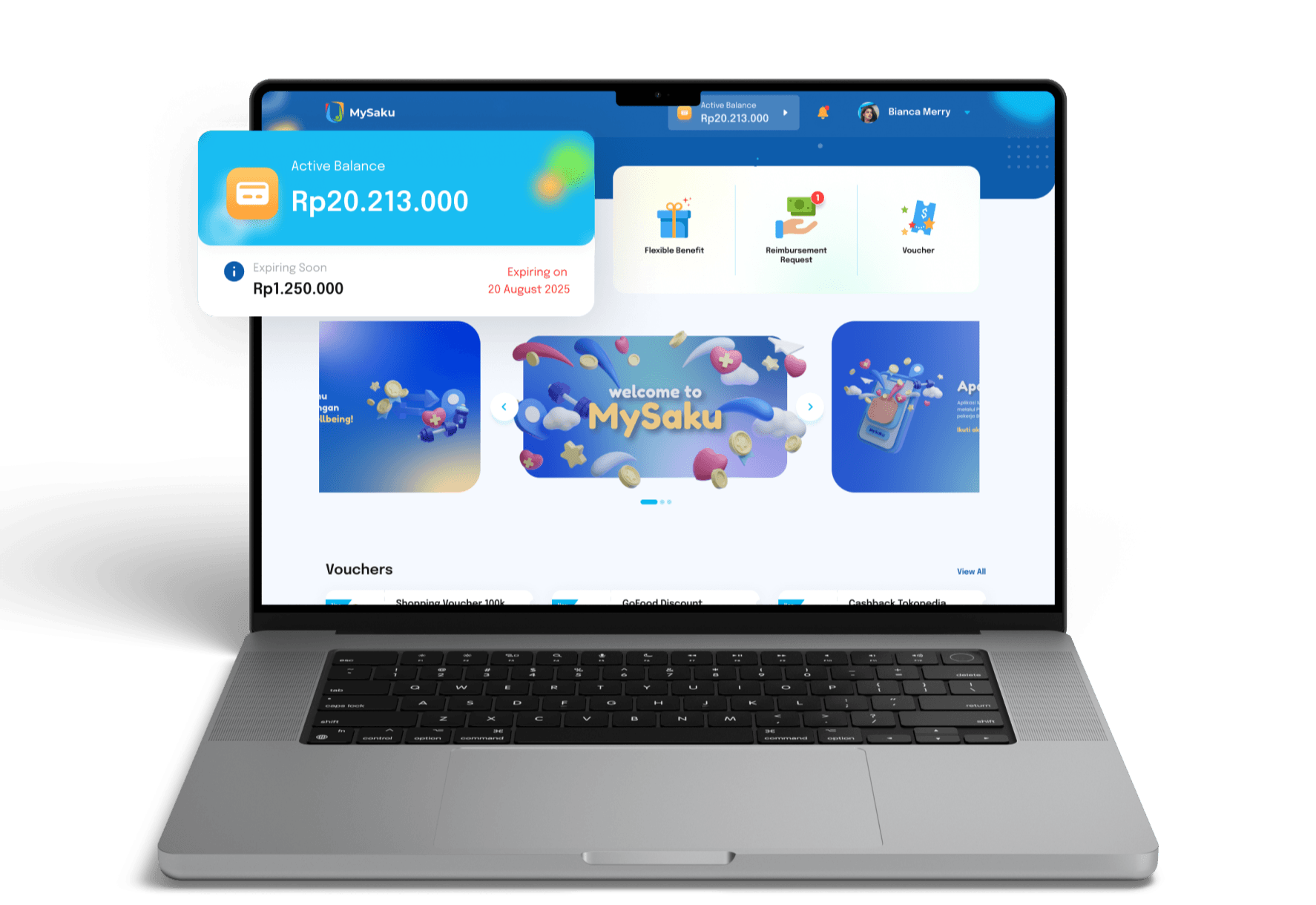
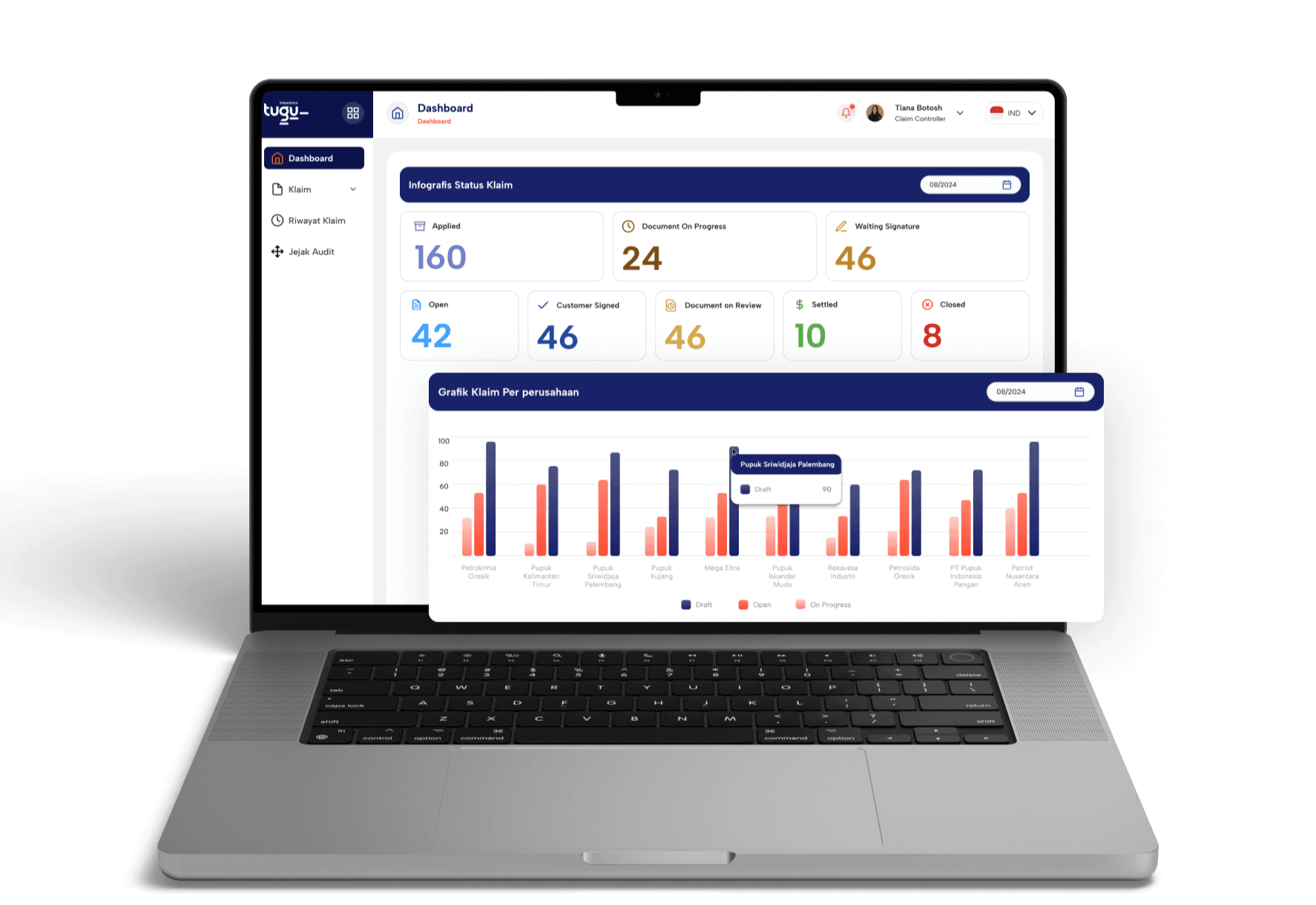
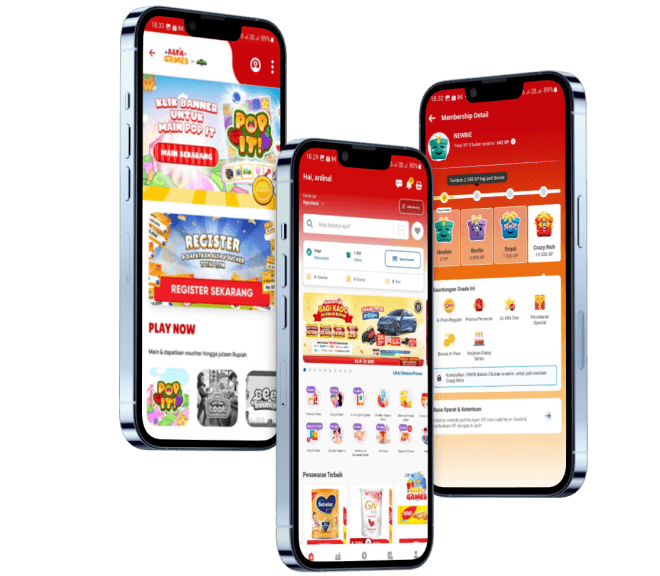
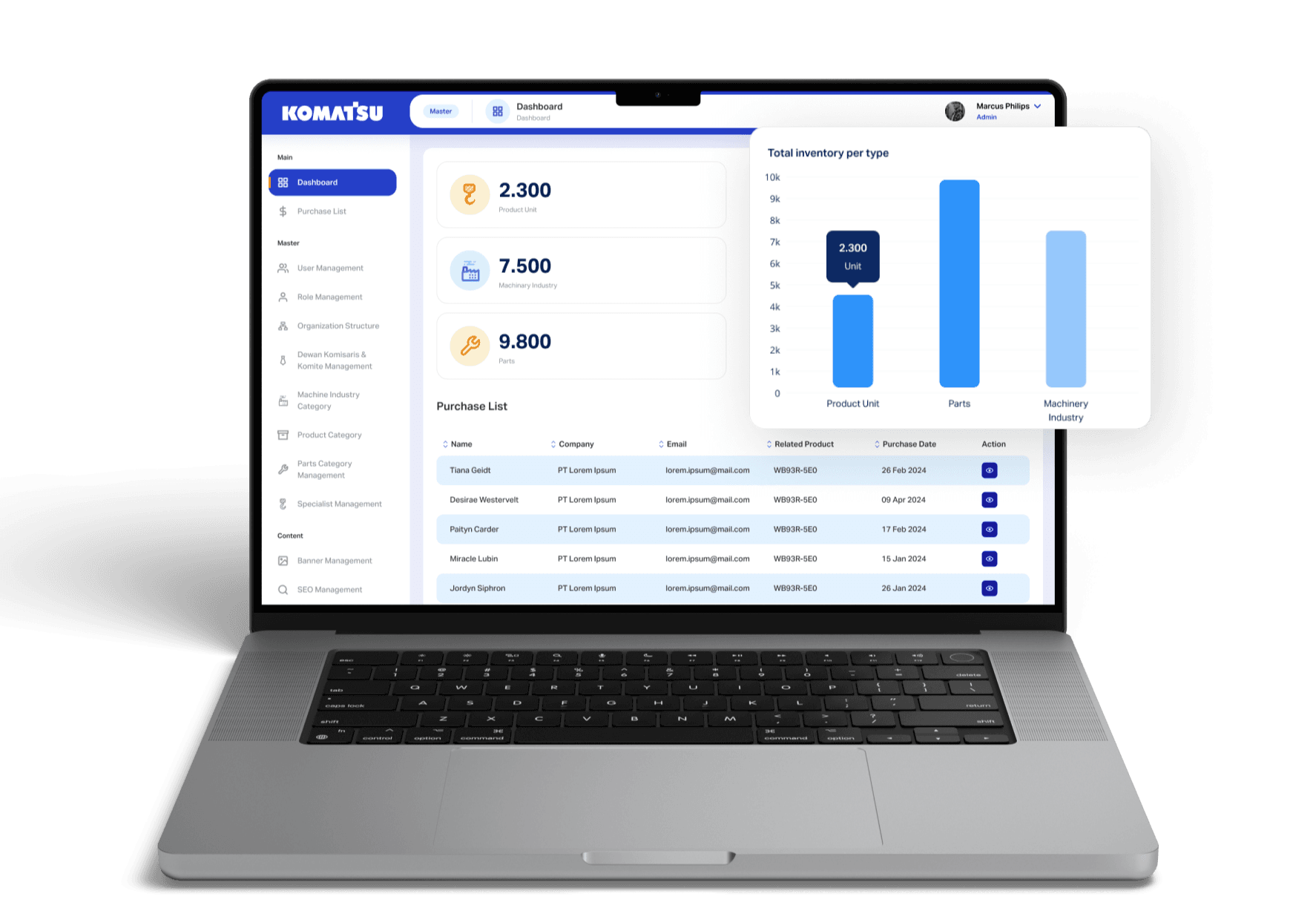
IT ENTERPRISE CONSULTANT
BRIDGE TECHNOLOGY SERVICES (BTS.id)

Is an Information & Communication Technology company by means of to-make-it-possible mindset. Using the most advance and suitable technology, we are able to develop and deploy a new vertical solution faster with the vast range of services for all industries. Established in 2008, we strive to develop and transform bricks-and-mortar business into the modern e-business with greater efficiency and effectiveness. As a software developer and publisher, we offer a solution to increase your company productivity using the latest technology.



AI DEVELOPMENT
AI Development service involves creating intelligent software solutions tailored to solve specific business challenges, optimize operations, or enhance customer experiences.

COMPREHENSIVE IT MANAGE SERVICES
We act as an IT solution for your company. from networking until digitalizing your business prosess.

IT OUTSOURCING SERVICES
BTS.id offres high quality software outsourcing services to client.



0
ADEQUATE
EMPLOYEES


0
CLIENT
WORLD WIDE


0
SUCCESS
PROJECT
WE ARE
BRIDGE TECHNOLOGY SERVICES
Find out how companies are using our solution to step up their game in digital transformation.
AI Copilot Tidak Bisa Sekadar Dibeli: Kunci Sukses Enterprise di 2026 Ada pada Software House Indonesia
Evolusi Software House Indonesia di Era Enterprise Modern
Perkembangan teknologi digital telah mendorong software house Indonesia mengalami transformasi yang signifikan. Jika sebelumnya software house lebih banyak berperan sebagai vendor yang fokus mengembangkan aplikasi berdasarkan permintaan klien, kini perannya berkembang menjadi partner bisnis strategis yang turut membantu perusahaan mencapai tujuan bisnis jangka panjang melalui solusi teknologi yang tepat
Perubahan ini terjadi seiring dengan semakin kompleksnya kebutuhan enterprise. Perusahaan tidak lagi hanya membutuhkan aplikasi atau sistem yang dapat berjalan secara mandiri, tetapi juga memerlukan solusi yang mampu menghubungkan berbagai proses bisnis dalam satu ekosistem digital yang terintegrasi. Mulai dari sistem ERP, CRM, aplikasi operasional, hingga platform analitik, seluruh komponen harus dapat bekerja secara harmonis untuk mendukung efisiensi dan produktivitas perusahaan.
Di era transformasi digital saat ini, integrasi sistem, data, dan AI menjadi kebutuhan utama bagi banyak enterprise. Software house tidak hanya dituntut memiliki kemampuan teknis dalam pengembangan perangkat lunak, tetapi juga harus mampu merancang arsitektur teknologi yang mendukung pemanfaatan data secara optimal serta implementasi teknologi Artificial Intelligence (AI) untuk meningkatkan kualitas pengambilan keputusan bisnis.
Oleh karena itu, kemampuan memahami proses bisnis perusahaan menjadi faktor yang sangat penting. Software house yang mampu memahami alur kerja, tantangan operasional, serta kebutuhan strategis klien akan lebih efektif dalam menghadirkan solusi yang relevan dan memberikan nilai tambah bagi bisnis. Inilah yang membuat peran software house Indonesia saat ini semakin penting sebagai mitra transformasi digital yang membantu enterprise menghadapi tantangan bisnis modern sekaligus mempersiapkan diri untuk pertumbuhan di masa depan.

Mengapa Transformasi Digital Konvensional Tidak Lagi Cukup di Tahun 2026
Di tahun 2026, transformasi digital tidak lagi cukup jika hanya berfokus pada implementasi sistem atau digitalisasi proses kerja. Perubahan lanskap bisnis yang semakin cepat menuntut perusahaan untuk lebih adaptif dalam menghadapi kebutuhan pasar, perilaku pelanggan, dan perkembangan teknologi yang terus berkembang.
Di sisi lain, ekspektasi terhadap layanan digital juga semakin tinggi. Perusahaan dituntut menghadirkan layanan yang cepat, terintegrasi, dan mampu memberikan pengalaman yang lebih baik bagi pelanggan maupun stakeholder. Tantangan ini semakin kompleks dengan adanya ledakan data yang terus bertambah setiap hari, sementara banyak organisasi masih kesulitan mengolahnya menjadi insight yang dapat mendukung pengambilan keputusan secara efektif.
Selain itu, kebutuhan untuk meningkatkan produktivitas dan efisiensi operasional membuat perusahaan tidak bisa lagi mengandalkan digitalisasi dasar semata. Banyak proses bisnis membutuhkan otomatisasi, integrasi data, dan pemanfaatan AI agar dapat berjalan lebih optimal.
Keterbatasan digitalisasi yang hanya berfokus pada sistem seringkali terlihat dalam beberapa kondisi berikut:
- Data dan aplikasi masih berjalan secara terpisah sehingga menghambat kolaborasi antar divisi.
- Proses digital tetap membutuhkan banyak pekerjaan manual yang memakan waktu.
- Informasi bisnis tersedia, tetapi belum dimanfaatkan secara maksimal untuk mendukung keputusan strategis.
- Sistem yang ada belum terintegrasi dengan otomatisasi dan teknologi AI.
Karena itu, transformasi digital modern tidak hanya berfokus pada penggunaan teknologi, tetapi juga pada bagaimana sistem, data, dan kecerdasan buatan dapat bekerja secara terintegrasi untuk meningkatkan daya saing dan pertumbuhan bisnis perusahaan.
AI Copilot: Lapisan Kecerdasan Baru bagi Perusahaan Enterprise
Seiring meningkatnya kebutuhan akan efisiensi dan kecepatan pengambilan keputusan, AI Copilot hadir sebagai lapisan kecerdasan baru yang membantu perusahaan memaksimalkan pemanfaatan data dan teknologi. Dalam banyak implementasi modern, perusahaan mulai mengembangkan custom AI copilot yang disesuaikan dengan proses bisnis dan kebutuhan operasional mereka melalui pendekatan custom software development.
AI Copilot adalah asisten berbasis Artificial Intelligence (AI) yang dirancang untuk membantu karyawan dalam menjalankan pekerjaan sehari-hari melalui pemahaman konteks, analisis data, serta pemberian rekomendasi yang relevan. AI Copilot dapat terhubung dengan berbagai sistem dan sumber data perusahaan sehingga mampu membantu pengguna menemukan informasi, menyusun laporan, menganalisis data, hingga mendukung pengambilan keputusan dengan lebih cepat. Pendekatan custom software development memungkinkan perusahaan membangun AI Copilot yang benar-benar terintegrasi dengan ekosistem digital mereka.
Berbeda dengan chatbot biasa yang umumnya hanya menjawab pertanyaan berdasarkan alur percakapan tertentu, AI Copilot memiliki kemampuan untuk memahami konteks pekerjaan, mengakses berbagai sumber informasi, dan membantu menyelesaikan tugas secara lebih proaktif. Karena itu, AI Copilot tidak hanya berfungsi sebagai alat komunikasi, tetapi juga sebagai pendamping kerja digital bagi karyawan, terutama ketika diimplementasikan sebagai custom AI copilot yang dirancang sesuai kebutuhan spesifik perusahaan.
Dalam lingkungan enterprise, AI Copilot dapat berperan sebagai asisten kerja yang membantu meningkatkan produktivitas dan efisiensi operasional melalui:
- Akses informasi perusahaan yang lebih cepat dari berbagai sistem dan database.
- Penyajian insight berbasis data untuk mendukung pengambilan keputusan.
- Otomatisasi tugas administratif dan pekerjaan yang bersifat repetitif.
- Dukungan analisis dan rekomendasi yang sesuai dengan konteks bisnis.
Dengan kemampuan tersebut, AI Copilot menjadi lapisan kecerdasan baru yang membantu perusahaan memanfaatkan data dan teknologi secara lebih optimal, sekaligus mempercepat proses kerja dan pengambilan keputusan di era bisnis yang semakin dinamis melalui penerapan custom software development yang tepat.

Mengapa AI Copilot Tidak Bisa Sekadar Dibeli
Meskipun tersedia banyak solusi AI Copilot di pasaran, implementasinya di lingkungan enterprise tidak bisa dilakukan secara instan. AI Copilot perlu disesuaikan dengan kebutuhan, data, dan proses bisnis masingmasing perusahaan agar dapat memberikan hasil yang relevan dan bernilai.
AI generik pada dasarnya tidak memahami konteks bisnis perusahaan secara spesifik. Selain itu, data perusahaan biasanya tersebar di berbagai sistem sehingga memerlukan integrasi agar AI dapat mengakses dan mengolah informasi secara optimal.
Beberapa alasan mengapa AI Copilot memerlukan pendekatan yang lebih terintegrasi antara lain:
- AI generik tidak memahami kebutuhan dan proses bisnis perusahaan secara mendalam.
- Data perusahaan tersebar di berbagai sistem dan platform yang perlu dihubungkan.
- Setiap perusahaan memiliki alur kerja dan kebutuhan operasional yang berbeda.
- Keamanan dan privasi data harus dijaga sesuai kebijakan dan regulasi yang berlaku.
Karena itu, implementasi AI Copilot yang sukses tidak hanya bergantung pada teknologi, tetapi juga pada integrasi sistem, pemahaman proses bisnis, serta penerapan keamanan data yang tepat.
Peran Software House dalam Mengembangkan AI Copilot Perusahaan Enterprise
Keberhasilan implementasi AI Copilot tidak hanya ditentukan oleh teknologi yang digunakan, tetapi juga oleh kemampuan memahami kebutuhan bisnis perusahaan. Di sinilah peran software house menjadi penting sebagai mitra strategis yang membantu enterprise merancang, mengembangkan, dan mengoptimalkan solusi AI sesuai tujuan bisnis.
Proses pengembangan AI Copilot umumnya dimulai dengan memahami tantangan, alur kerja, dan kebutuhan operasional perusahaan. Dari tahap ini, software house dapat mengidentifikasi peluang penggunaan AI yang memberikan dampak nyata bagi produktivitas dan efisiensi bisnis.
Peran software house dalam pengembangan AI Copilot meliputi:
- Memahami kebutuhan bisnis perusahaan untuk memastikan solusi AI selaras dengan tujuan organisasi.
- Menentukan use case yang tepat, seperti otomatisasi proses, pencarian informasi internal, analisis data, atau dukungan pengambilan keputusan.
- Membangun dan menguji solusi AI agar mampu bekerja sesuai kebutuhan pengguna dan terintegrasi dengan sistem yang sudah ada.
- Mengembangkan AI secara bertahap hingga skala enterprise, sehingga implementasi dapat berjalan lebih terukur, aman, dan mudah diadopsi oleh seluruh organisasi.
Dengan pendekatan yang tepat, software house membantu perusahaan menghadirkan AI Copilot yang tidak hanya canggih secara teknologi, tetapi juga mampu memberikan nilai bisnis yang nyata dan berkelanjutan.
Membangun AI Copilot yang Terhubung dengan Infrastruktur Enterprise
Agar dapat memberikan manfaat maksimal, AI Copilot perlu terhubung dengan infrastruktur dan sumber data yang digunakan perusahaan. Integrasi ini sering kali membutuhkan custom software development agar sistem dapat menyesuaikan dengan arsitektur teknologi yang sudah ada, sehingga AI dapat mengakses informasi yang relevan, memberikan respons yang lebih akurat, serta mendukung proses kerja secara lebih efektif. Dalam konteks ini, banyak perusahaan juga bekerja sama dengan penyedia jasa pengembangan AI untuk memastikan implementasi berjalan optimal.
Dalam implementasinya, AI Copilot dapat diintegrasikan dengan berbagai sistem internal seperti ERP, CRM, HRIS, dan aplikasi bisnis lainnya. Selain itu, pengelolaan knowledge base perusahaan juga menjadi faktor penting agar AI dapat memanfaatkan dokumen, prosedur, dan informasi internal sebagai sumber pengetahuan yang terpercaya. Pengembangan ini umumnya melibatkan pendekatan custom software development agar integrasi antar sistem berjalan mulus dan sesuai kebutuhan bisnis.
Untuk mendukung performa dan keamanan, perusahaan juga sering memanfaatkan jasa pengembangan AI guna merancang arsitektur yang sesuai dengan kebutuhan operasional dan kebijakan data yang berlaku. Dengan integrasi yang tepat, AI Copilot dapat menjadi pusat akses informasi yang membantu meningkatkan produktivitas, kolaborasi, dan pengambilan keputusan di lingkungan enterprise.

Keamanan, Kepatuhan, dan Keberlanjutan AI
Dalam implementasi AI di lingkungan enterprise, aspek keamanan dan kepatuhan menjadi faktor yang tidak dapat diabaikan. Selain memastikan perlindungan data perusahaan, organisasi juga perlu memastikan penggunaan AI sesuai dengan regulasi yang berlaku, termasuk UU Perlindungan Data Pribadi (UU PDP).
Untuk menjaga keamanan dan keberlanjutan operasional AI, beberapa aspek penting yang perlu diperhatikan meliputi:
- Kepatuhan terhadap UU PDP untuk memastikan pengelolaan data dilakukan secara bertanggung jawab.
- Data isolation guna membatasi akses dan penggunaan data sesuai kebutuhan bisnis.
- Role-Based Access Control (RBAC) untuk mengatur hak akses pengguna berdasarkan peran dan tanggung jawab.
- Audit trail yang memungkinkan pelacakan aktivitas dan penggunaan sistem secara transparan.
- Enkripsi data untuk melindungi informasi saat disimpan maupun ditransmisikan.
- Keamanan siber tingkat enterprise guna mengurangi risiko kebocoran data dan ancaman siber.
Dengan penerapan tata kelola yang tepat, perusahaan dapat membangun solusi AI yang aman, patuh terhadap regulasi, dan mampu mendukung kebutuhan bisnis secara berkelanjutan.
Saatnya Membangun AI Copilot yang Sesuai dengan Bisnis Anda!
AI Copilot bukan sekadar teknologi baru, tetapi bagian dari strategi transformasi digital yang dapat membantu perusahaan meningkatkan produktivitas, mempercepat pengambilan keputusan, dan menciptakan keunggulan kompetitif di era bisnis yang semakin dinamis. Dengan strategi adopsi yang tepat, AI dapat menjadi pondasi penting bagi masa depan bisnis yang lebih efisien, adaptif, dan berbasis data.
Memulai implementasi AI tidak harus dilakukan dalam skala besar. Banyak perusahaan memilih memulai dari pilot project untuk mengidentifikasi use case yang paling relevan, mengukur manfaat bisnis, dan membangun roadmap pengembangan AI secara bertahap. Pendekatan ini menjadikan AI sebagai investasi teknologi jangka panjang yang memberikan nilai nyata bagi organisasi.
Konsultasikan AI Copilot Anda Bersama BTS.id
Jika perusahaan Anda sedang mencari partner untuk memulai langkah awal transformasi AI, BTS.id dapat membantu mulai dari perencanaan strategi, custom software & AI development, integrasi sistem, hingga implementasi di lingkungan enterprise.
Sebagai software house Bandung yang berpengalaman dalam pengembangan solusi digital untuk enterprise, BTS.id dapat membantu perusahaan membangun AI Copilot yang aman, terintegrasi, dan sesuai dengan kebutuhan bisnis. Hubungi tim BTS.id sekarang dan mulai perjalanan transformasi AI yang memberikan dampak nyata bagi pertumbuhan bisnis Anda.

Software House Indonesia di Balik Implementasi Generative AI Bisnis Enterprise
Perkembangan Software House Indonesia di Era Digital
Software house Indonesia kini tidak lagi hanya berfokus pada jasa pembuatan aplikasi atau website, tetapi berkembang menjadi partner teknologi strategis bagi perusahaan dalam menghadapi percepatan transformasi digital.
Meningkatnya kebutuhan enterprise terhadap sistem yang terintegrasi, scalable, dan berbasis data membuat peran software house semakin penting dalam mendukung efisiensi operasional dan inovasi bisnis.
Perkembangan industri digital mendorong banyak perusahaan untuk mulai mengadopsi teknologi seperti cloud computing, business automation, integrasi sistem, hingga implementasi AI untuk mempercepat proses kerja dan meningkatkan kualitas pengambilan keputusan.
Hal ini membuat layanan software house berkembang ke arah solusi digital yang lebih kompleks dan berorientasi pada kebutuhan bisnis jangka panjang.
Di sisi lain, perusahaan juga mulai membutuhkan pengembangan software custom yang mampu menyesuaikan proses bisnis secara spesifik, terutama pada sektor enterprise yang memiliki kebutuhan operasional lebih kompleks.
Karena itu, software house Indonesia kini dituntut tidak hanya unggul secara teknis, tetapi juga mampu memahami strategi bisnis, alur operasional, serta tantangan transformasi digital di berbagai industri.
Dengan pendekatan yang lebih kolaboratif dan berbasis solusi, software house mampu membantu perusahaan meningkatkan produktivitas, mempercepat adaptasi teknologi, serta menciptakan competitive advantage di era digital yang terus berkembang.

Generative AI Memasuki Era Implementasi Bisnis di 2026
Memasuki tahun 2026, AI bukan lagi sekadar tren teknologi, tetapi telah berkembang menjadi bagian penting dalam strategi bisnis modern.
Banyak perusahaan mulai memanfaatkan Generative AI dalam operasional bisnis untuk mempercepat proses kerja, meningkatkan efisiensi, serta mendukung pengambilan keputusan berbasis data secara lebih akurat.
Penerapan generative AI untuk enterprise kini semakin luas, mulai dari otomatisasi layanan pelanggan, analisis data, pembuatan konten, hingga pengelolaan workflow internal perusahaan.
Hal ini menunjukkan bahwa fokus perusahaan tidak hanya pada adopsi teknologi, tetapi juga pada peningkatan produktivitas dan optimalisasi operasional secara berkelanjutan.
Fokus perusahaan pada efisiensi dan produktivitas menjadi salah satu alasan utama meningkatnya implementasi AI di berbagai sektor industri.
Melalui pemanfaatan teknologi yang lebih cerdas dan terintegrasi, perusahaan dapat mengoptimalkan operasional sekaligus meningkatkan kualitas layanan dan kecepatan kerja.
Beberapa fokus utama yang banyak diterapkan perusahaan saat ini meliputi:
- Mengotomatisasi proses kerja yang repetitif untuk mengurangi beban operasional
- Mempercepat pengolahan data dan pengambilan keputusan bisnis
- Meningkatkan produktivitas tim melalui workflow yang lebih efisien
- Mengurangi risiko human error dalam operasional harian
- Mengoptimalkan layanan pelanggan dengan respon yang lebih cepat dan akurat
- Menekan biaya operasional melalui implementasi teknologi berbasis AI
- Membantu perusahaan lebih fokus pada strategi dan inovasi bisnis jangka panjang
Di sisi lain, kebutuhan terhadap custom AI development juga meningkat karena setiap perusahaan memiliki tantangan dan kebutuhan bisnis yang berbeda. Dengan implementasi AI yang lebih terarah, perusahaan dapat menciptakan value baru, membuka peluang revenue tambahan, serta meningkatkan daya saing di era digital yang semakin kompetitif.
Apa Itu Generative AI dan Mengapa Relevan untuk Kebutuhan Enterprise Modern
Generative AI adalah teknologi kecerdasan buatan yang mampu menghasilkan konten, analisis, dan respons otomatis berdasarkan data yang dipelajari. Berbeda dengan automation biasa yang bekerja berdasarkan aturan tetap, Generative AI mampu memahami konteks dan menghasilkan output yang lebih fleksibel sesuai kebutuhan bisnis.
Saat ini, implementasi Generative AI untuk Enterprise semakin berkembang untuk mendukung layanan pelanggan, analisis data, otomatisasi dokumen, hingga efisiensi operasional perusahaan.
Perbedaan AI generatif dan automation biasa meliputi:
- Automation biasa bekerja berdasarkan rule tetap dan fokus pada tugas repetitif, sedangkan Generative AI mampu memahami konteks, belajar dari data, dan beradaptasi sesuai kebutuhan bisnis.
- Jika automation digunakan untuk mempercepat proses operasional, Generative AI dapat membantu analisis data, pembuatan konten, hingga mendukung pengambilan keputusan yang lebih cerdas dan dinamis.
Meningkatnya kebutuhan efisiensi dan pengelolaan data juga mendorong perusahaan mengembangkan solusi berbasis Custom AI Development agar implementasi AI lebih sesuai dengan kebutuhan bisnis.
Selain otomatisasi, AI kini juga berkembang menjadi AI Agent untuk Bisnis yang membantu workflow perusahaan berjalan lebih cerdas, responsif, dan terintegrasi.
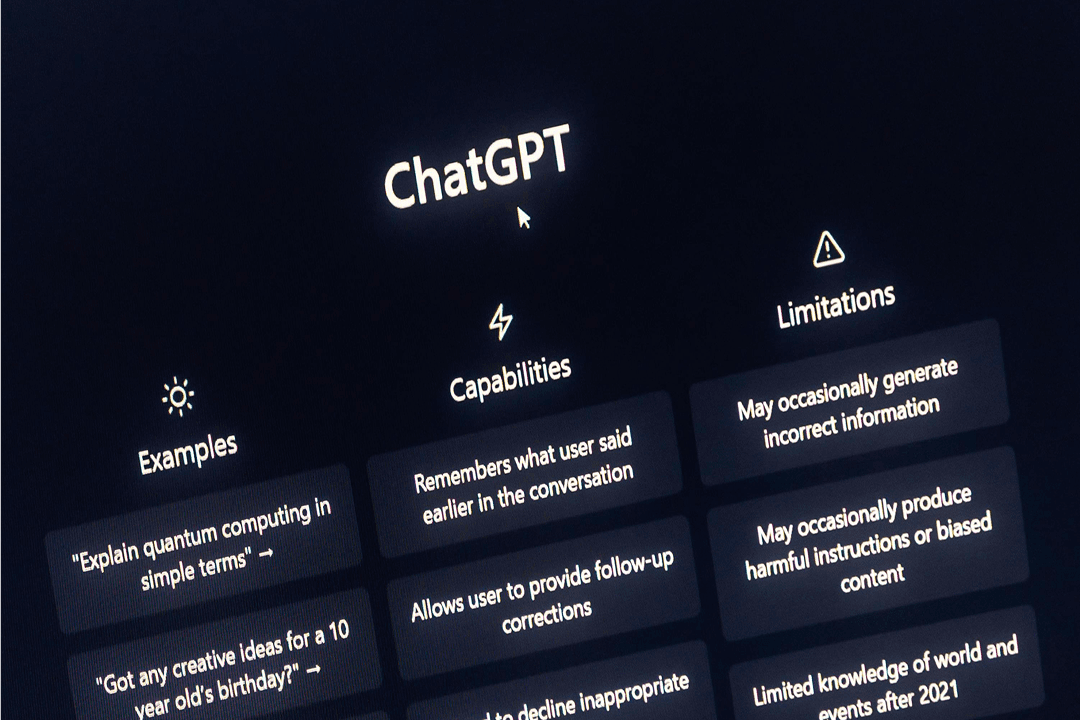
Tren Generative AI 2026 untuk Enterprise: AI Agents, Multimodal AI, dan Private AI
Tren Generative AI di tahun 2026 semakin berfokus pada implementasi yang lebih cerdas, terintegrasi, dan aman untuk kebutuhan enterprise.
Banyak software house Indonesia mulai membantu perusahaan mengembangkan solusi AI yang mampu mendukung infrastruktur bisnis, analisis data, dan peningkatan efisiensi operasional secara menyeluruh.
Salah satu tren utama adalah penggunaan AI Agents untuk automation task dan workflow. AI Agent membantu perusahaan mengotomatisasi proses kerja yang lebih kompleks, seperti layanan pelanggan, monitoring operasional, hingga pengelolaan data secara real-time.
Selain itu, Multimodal AI semakin banyak digunakan karena mampu memproses berbagai jenis data dalam satu sistem, seperti:
- Teks dan dokumen
- Gambar dan visual data
- Audio dan voice command
- Video dan data monitoring
Di sisi keamanan, Private AI dan On-Premise AI menjadi solusi penting bagi enterprise yang membutuhkan perlindungan data dan kontrol sistem yang lebih tinggi.
Sementara itu, integrasi AI dengan sistem bisnis modern seperti ERP, CRM, dan cloud platform membantu perusahaan menciptakan operasional yang lebih terhubung, efisien, dan adaptif terhadap perkembangan teknologi digital.
Melihat kebutuhan implementasi AI yang terus berkembang, software house Indonesia juga semakin berperan sebagai partner transformasi digital yang membantu perusahaan membangun solusi AI sesuai kebutuhan bisnis dan skala operasional masing-masing.
Evolusi Penggunaan AI dalam Operasional Bisnis Enterprise
Penggunaan AI dalam operasional bisnis enterprise terus berkembang dan tidak lagi sebatas chatbot atau otomatisasi sederhana.
AI kini digunakan dalam workflow bisnis modern untuk meningkatkan efisiensi, produktivitas, dan kecepatan pengambilan keputusan.
Saat ini, perusahaan mulai memanfaatkan AI untuk automation process, knowledge management, business analytics, hingga implementasi AI agent untuk bisnis yang membantu pengelolaan data, layanan pelanggan, dan workflow secara real-time.
AI juga semakin terintegrasi dengan sistem bisnis seperti ERP, CRM, dan cloud platform sehingga operasional perusahaan menjadi lebih terhubung, efisien, dan scalable sesuai kebutuhan enterprise modern.
Tantangan Implementasi Generative AI di Perusahaan Enterprise
Meskipun implementasi Generative AI semakin berkembang di berbagai industri, perusahaan enterprise masih menghadapi sejumlah tantangan dalam proses adopsinya.
Tantangan ini tidak hanya berkaitan dengan teknologi, tetapi juga kesiapan operasional, keamanan data, hingga adaptasi organisasi secara menyeluruh.
Beberapa tantangan utama implementasi Generative AI di perusahaan enterprise meliputi:
- Integrasi dengan sistem lama yang masih digunakan dalam operasional bisnis
- Kesiapan infrastruktur teknologi untuk mendukung performa AI secara optimal
- Data privacy dan security, terutama untuk pengelolaan data sensitif perusahaan
- Adaptasi pengguna internal terhadap workflow dan teknologi baru berbasis AI
- Regulasi dan governance AI agar implementasi tetap sesuai standar keamanan dan compliance perusahaan
Karena itu, implementasi AI membutuhkan perencanaan yang matang agar teknologi dapat berjalan efektif, aman, dan sesuai dengan kebutuhan operasional enterprise dalam jangka panjang.
Peran Software House AI Indonesia sebagai Strategic Partner Enterprise
Software house AI di Indonesia kini memiliki peran penting sebagai strategic partner dalam membantu perusahaan menjalankan transformasi digital berbasis AI. Tidak hanya menyediakan solusi teknologi, software house juga membantu bisnis memahami kebutuhan implementasi AI yang sesuai dengan operasional dan target perusahaan.
Peran ini mencakup membantu perusahaan memulai implementasi AI, mengisi kebutuhan tim AI enterprise, hingga mendukung pengembangan solusi berbasis custom AI development yang lebih fleksibel dan terintegrasi. Dengan dukungan teknologi dan pengalaman implementasi, perusahaan dapat mempercepat proses adopsi AI bisnis secara lebih efektif.
Selain itu, software house AI juga berperan sebagai partner transformasi AI jangka panjang yang membantu enterprise mengembangkan sistem yang scalable, aman, dan mampu mengikuti perkembangan kebutuhan bisnis di era digital.
Layanan AI Custom Development untuk Enterprise
Layanan AI custom development membantu perusahaan membangun solusi AI yang lebih sesuai dengan kebutuhan operasional dan workflow bisnis enterprise. Implementasi AI yang terarah memungkinkan perusahaan meningkatkan efisiensi, produktivitas, serta optimalisasi proses bisnis secara berkelanjutan.
Layanan yang umumnya diberikan meliputi:
- Konsultasi strategi dan kesiapan AI perusahaan
- Pengembangan custom AI models sesuai kebutuhan bisnis
- Integrasi AI dengan sistem existing seperti ERP, CRM, dan cloud platform
- Maintenance dan optimization AI system untuk menjaga performa dan scalability
Saat ini, banyak software house Bandung juga mulai menghadirkan layanan pengembangan AI enterprise untuk membantu perusahaan mempercepat transformasi digital berbasis teknologi AI.
Kesimpulan: Masa Depan Generative AI Dibangun Bersama Software House Indonesia
Generative AI telah membuka peluang baru bagi enterprise dalam meningkatkan efisiensi, inovasi, dan daya saing bisnis. Namun, keberhasilan implementasinya sangat bergantung pada kebutuhan AI custom development yang sesuai dengan karakteristik setiap perusahaan.
Di sinilah software house Indonesia berperan sebagai strategic partner yang membantu bisnis merancang, mengembangkan, dan mengintegrasikan solusi AI secara tepat guna. Adaptasi AI bukan lagi pilihan, tetapi menjadi langkah penting untuk menghadapi masa depan bisnis yang semakin digital dan kompetitif.
Siap mengimplementasikan Generative AI untuk bisnis Anda?
Diskusikan kebutuhan transformasi digital perusahaan Anda bersama tim BTS.id, software house Bandung yang berpengalaman dalam custom AI development dan solusi AI enterprise yang scalable, aman, serta disesuaikan dengan kebutuhan bisnis.
Mulai dari konsultasi strategi, pengembangan solusi AI custom, hingga integrasi ke sistem existing perusahaan, kami BTS.id siap membantu bisnis Anda mengadopsi teknologi AI secara lebih efektif dan terukur.
Software House Indonesia dan Tren AI Agent 2026: Otomatisasi Bisnis Tanpa Batas
Mengapa Software House Indonesia Semakin Penting di Era Otomatisasi
Mengandalkan cara kerja manual di tengah percepatan teknologi jelas bukan pilihan yang berkelanjutan. Di era otomatisasi, peran software house Indonesia semakin krusial karena mampu menjembatani kebutuhan bisnis dengan solusi digital yang relevan dan efisien.
Melalui layanan seperti jasa pembuatan aplikasi, perusahaan dapat mengotomatisasi proses operasional, meningkatkan akurasi data, serta mempercepat pengambilan keputusan.
Inilah yang mendorong percepatan digitalisasi bisnis, baik untuk skala UMKM hingga korporasi besar.
Tidak hanya itu, kehadiran software house yang terbaik juga memastikan bahwa setiap solusi yang dikembangkan sesuai dengan kebutuhan bisnis, mulai dari integrasi sistem hingga keamanan data.
Fokus pada pengembangan software menjadi nilai tambah karena lebih adaptif terhadap regulasi, budaya, dan kebiasaan pengguna.
Dengan berbagai keunggulan tersebut, memilih solusi IT Indonesia bukan hanya soal efisiensi, tetapi juga langkah strategis untuk meningkatkan daya saing bisnis di era digital yang semakin kompetitif.
Pengenalan AI Agent: Kunci Sukses Transformasi Digital Tahun 2026
Transformasi digital di tahun 2026 tidak lagi sekadar tentang adopsi teknologi, tetapi tentang bagaimana bisnis memanfaatkan AI agent terbaru sebagai penggerak utama efisiensi dan inovasi.
AI agent adalah sistem berbasis kecerdasan buatan untuk bisnis yang mampu bekerja secara mandiri, menganalisis data, mengambil keputusan, hingga menjalankan tugas tanpa intervensi manusia secara terus-menerus.
Sejalan dengan tren teknologi 2026, AI agent bisnis menjadi fondasi dari otomatisasi cerdas yang tidak hanya mempercepat proses, tetapi juga meningkatkan akurasi dan produktivitas.
Dengan dukungan AI agent yang semakin berkembang, solusi ini kini semakin relevan dan mudah diadopsi oleh berbagai sektor industri.
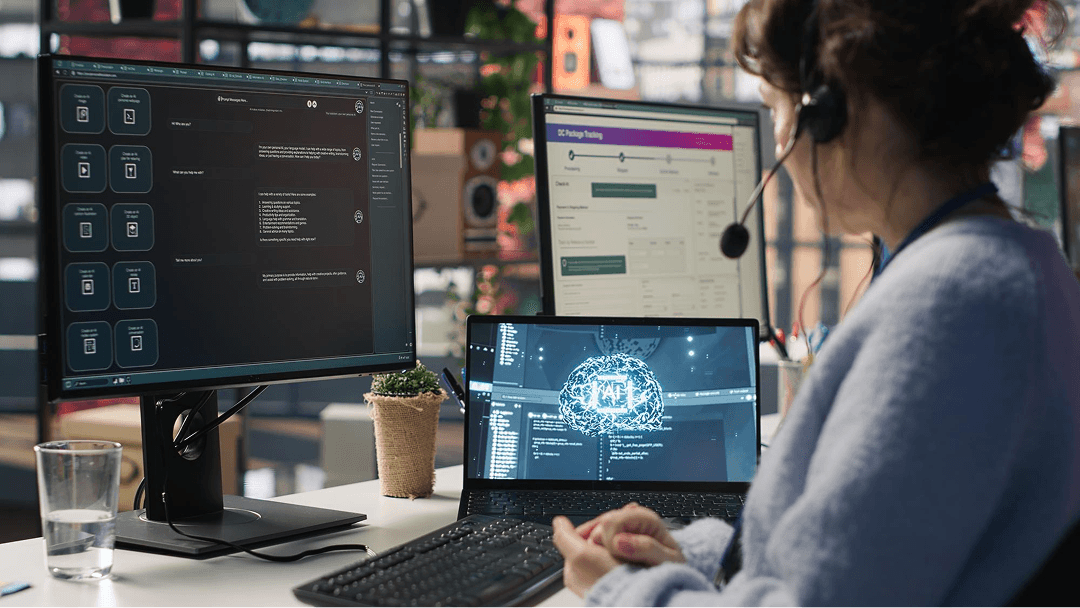
Beberapa peran utama AI agent dalam transformasi digital meliputi:
- Mengotomatisasi proses operasional secara end-to-end
- Menganalisis data secara real-time untuk pengambilan keputusan lebih cepat
- Integrasi dan Orkestrasi Sistem, dimana AI agent berperan sebagai “penghubung cerdas” antar sistem yang berbeda (ERP, CRM, dll)
- Mengurangi biaya operasional dengan sistem yang lebih efisien
Dengan memanfaatkan AI agent, perusahaan tidak hanya mengikuti perkembangan teknologi, tetapi juga membangun fondasi kuat untuk bersaing di era digital yang semakin dinamis.
Bagaimana Software House Indonesia Mengembangkan AI Agent untuk Enterprise
Pengembangan AI agent untuk kebutuhan solusi enterprise AI bukan sekadar membangun teknologi, tetapi memastikan solusi tersebut benar-benar selaras dengan proses bisnis yang kompleks.
Software house berperan penting dalam menghadirkan implementasi AI agent yang terukur, terintegrasi, dan siap digunakan dalam skala besar.
Pendekatan yang dilakukan biasanya dimulai dari pemetaan kebutuhan hingga pengembangan AI agent dalam bentuk solusi custom automation yang dirancang khusus sesuai kebutuhan tiap perusahaan. Berbeda dengan solusi generik, custom automation memungkinkan sistem mengikuti alur kerja bisnis, bukan sebaliknya. Dalam praktiknya, workflow otomatis perusahaan menjadi fondasi utama, yaitu rangkaian proses kerja yang berjalan otomatis berdasarkan aturan, data, dan trigger tertentu.
Sebagai gambaran, workflow otomatis perusahaan dapat mencakup:
- Otomatisasi approval dokumen (misalnya pengajuan cuti atau anggaran)
- Integrasi data antar divisi secara real-time
- Notifikasi otomatis untuk tugas atau deadline tertentu
- Pemrosesan data pelanggan dari input hingga analisis
Dengan dukungan AI agent, workflow ini tidak hanya berjalan otomatis, tetapi juga “cerdas”, mampu belajar dari data sebelumnya untuk meningkatkan akurasi dan kecepatan proses.
Hal ini secara langsung mendorong efisiensi proses bisnis serta mengurangi resiko human error.
Solusi custom automation yang umum dikembangkan meliputi:
- Otomatisasi proses internal seperti HR, finance, hingga operasional
- Sistem approval berjenjang yang berjalan otomatis dan terdokumentasi
- Integrasi data lintas sistem untuk menghilangkan duplikasi input
- Automasi customer journey, mulai dari lead masuk hingga follow-up
- Dashboard analitik real-time untuk mendukung pengambilan keputusan
Dengan penerapan yang tepat, solusi ini mampu meningkatkan efisiensi proses bisnis, mempercepat waktu kerja, serta meminimalkan kesalahan manual.

Beberapa tahapan utama dalam pengembangan AI agent untuk enterprise meliputi:
- Analisis kebutuhan bisnis dan identifikasi proses yang dapat diotomatisasi
- Perancangan sistem berbasis AI sesuai kebutuhan spesifik perusahaan
- Integrasi software & AI agent dengan sistem yang sudah berjalan (ERP, CRM, dll)
- Pengujian, implementasi, serta optimalisasi berkelanjutan
Melalui kombinasi AI agent dan custom automation, software house Indonesia mampu menghadirkan solusi enterprise AI yang tidak hanya powerful secara teknologi, tetapi juga benarbenar relevan dengan kebutuhan bisnis, sehingga perusahaan dapat bergerak lebih cepat, efisien, dan kompetitif di era digital.
Dampak Implementasi AI Agent terhadap Efisiensi Bisnis Enterprise
Implementasi AI agent memberikan dampak signifikan terhadap cara perusahaan enterprise menjalankan operasionalnya.
Dengan kemampuan analisis data dan eksekusi tugas secara otomatis, perusahaan dapat mencapai produktivitas meningkat dengan AI agent tanpa harus menambah beban kerja tim secara manual.
Salah satu manfaat utama adalah terciptanya efisiensi menyeluruh, mulai dari proses internal hingga layanan pelanggan. Hal ini secara langsung berkontribusi pada penghematan biaya operasional, karena banyak tugas repetitif dapat diotomatisasi dan diselesaikan lebih cepat dengan tingkat akurasi tinggi.
Lebih dari itu, AI agent menjadi pendorong utama dalam menciptakan keunggulan kompetitif bisnis enterprise. Perusahaan yang lebih dulu mengadopsi teknologi ini cenderung memiliki kecepatan, ketepatan, dan fleksibilitas yang lebih unggul dibanding kompetitor.
Beberapa bentuk keunggulan kompetitif bisnis enterprise yang dihasilkan antara lain:
- Pengambilan keputusan berbasis data real-time yang lebih akurat
- Respons lebih cepat terhadap perubahan pasar dan kebutuhan pelanggan
- Personalisasi layanan yang meningkatkan customer experience
- Skalabilitas operasional tanpa peningkatan biaya yang signifikan
- Inovasi produk dan layanan yang lebih cepat diluncurkan
Dari sisi finansial, penerapan AI agent juga menunjukkan ROI otomasi bisnis di Indonesia yang semakin menjanjikan. Investasi teknologi ini dapat kembali melalui efisiensi kerja, pengurangan kesalahan operasional, serta optimalisasi penggunaan sumber daya.
Secara keseluruhan, dampak implementasi AI agent meliputi:
- Otomatisasi tugas berulang sehingga tim fokus pada pekerjaan strategis
- Peningkatan kecepatan dan akurasi dalam pengolahan data
- Pengurangan biaya operasional dan human error
- Peningkatan kualitas layanan dan kepuasan pelanggan
Dengan kombinasi efisiensi dan keunggulan kompetitif tersebut, AI agent menjadi pondasi penting bagi perusahaan dalam mengupayakan solusi enterprise AI untuk bertahan dan unggul di tengah persaingan bisnis yang semakin ketat di era digital.
Tantangan dalam Pengembangan AI Agent di Perusahaan Enterprise
Pengembangan AI agent di perusahaan enterprise memang menawarkan banyak manfaat, namun tidak lepas dari berbagai tantangan yang perlu diatasi secara strategis. Terutama di Indonesia, proses adopsi teknologi masih menghadapi sejumlah hambatan, mulai dari kesiapan infrastruktur hingga perubahan budaya kerja.
Salah satu tantangan adopsi teknologi baru di Indonesia adalah resistensi terhadap perubahan dan kurangnya pemahaman tentang potensi AI. Banyak perusahaan masih berada dalam tahap transisi menuju digitalisasi penuh, sehingga implementasi AI agent membutuhkan pendekatan yang bertahap dan terukur.
Di sisi lain, isu keamanan data dan privasi AI agent menjadi perhatian utama. Penggunaan AI yang mengandalkan data dalam jumlah besar menuntut sistem keamanan yang kuat, kepatuhan terhadap regulasi, serta pengelolaan data yang transparan agar tetap menjaga kepercayaan pengguna dan stakeholder
Beberapa tantangan utama dalam pengembangan AI agent di enterprise meliputi:
- Kesiapan infrastruktur teknologi dan integrasi dengan sistem lama (legacy system)
- Keterbatasan talenta digital dan ahli AI di Indonesia
- Risiko keamanan data serta perlindungan privasi pengguna
- Biaya investasi awal yang relatif besar
- Adaptasi budaya kerja terhadap otomatisasi dan AI
Namun di balik tantangan tersebut, terdapat peluang pasar software house masa depan yang sangat besar. Permintaan terhadap solusi AI dan otomatisasi terus meningkat, membuka ruang bagi software house untuk menghadirkan inovasi, layanan konsultasi, serta pengembangan solusi yang lebih matang dan terarah.

Peluang ini dapat dilihat dari beberapa aspek berikut:
- Meningkatnya permintaan implementasi AI agent bisnis di berbagai industri
- Kebutuhan tinggi akan solusi custom automation untuk proses bisnis yang spesifik
- Pertumbuhan layanan digitalisasi bisnis di sektor UMKM hingga enterprise
- Peluang pengembangan produk berbasis AI sebagai layanan (AI-as-a-Service)
- Kolaborasi dengan perusahaan untuk modernisasi sistem legacy
- Ekspansi ke pasar regional dengan solusi IT berbasis kebutuhan lokal
Dengan pendekatan yang tepat, tantangan ini bukan hanya bisa diatasi, tetapi juga menjadi pijakan untuk memperkuat posisi bisnis dalam ekosistem digital yang terus berkembang.
Transformasi menuju otomatisasi tidak bisa ditunda. Perusahaan yang ingin tetap relevan perlu bergerak cepat dengan strategi yang tepat, termasuk menggandeng software house di Indonesia sebagai mitra teknologi. Melalui implementasi AI agent bisnis, custom automation, dan integrasi sistem yang matang, bisnis dapat meningkatkan efisiensi, produktivitas, sekaligus membangun keunggulan kompetitif jangka panjang.
Saatnya melangkah lebih jauh dan menyongsong masa depan otomatisasi tanpa batas.
Percayakan kebutuhan digital Anda bersama kami BTS.id, kami adalah salah satu software house Bandung terkemuka, serta sebagai partner solusi IT yang siap membantu transformasi bisnis Anda menjadi lebih cerdas, cepat, dan adaptif.
Mulai langkah strategis Anda bersama kami BTS.id, software house yang siap menghadirkan solusi custom software development sesuai kebutuhan bisnis Anda.
Mari bertransformasi menuju masa depan otomatisasi tanpa batas, lebih efisien, terukur, dan kompetitif.
AI-Powered Decision Intelligence: Inovasi Software House Indonesia untuk Eksekutif Modern
Mengapa Eksekutif Modern Membutuhkan AI-Powered Decision Intelligence?
Di era bisnis yang bergerak cepat dan penuh ketidakpastian serta percepatan transformasi digital di Indonesia, banyak perusahaan menghadapi tantangan dalam mengelola data yang besar namun belum terstruktur dengan baik, sehingga mendorong kebutuhan digitalisasi perusahaan yang lebih terarah, di mana software house Indonesia berperan penting dalam proses tersebut.
Eksekutif tidak lagi cukup mengandalkan intuisi atau pengalaman semata. Kebutuhan akan AI untuk bisnis dan AI-powered decision intelligence bukan lagi sekadar tren global, tetapi solusi nyata untuk membantu eksekutif mengambil keputusan yang cepat, tepat, dan relevan dengan kondisi pasar lokal.
Decision intelligence adalah pendekatan terintegrasi yang menggabungkan data, kecerdasan buatan (AI), dan analitik untuk menghasilkan rekomendasi keputusan yang lebih akurat. Software house di Indonesia kini banyak mengembangkan sistem ini agar sesuai dengan kebutuhan bisnis lokal, mulai dari UMKM hingga perusahaan skala enterprise. Teknologi ini tidak hanya menyajikan data, tetapi juga memberikan rekomendasi tindakan yang optimal sebagai bagian dari solusi enterprise AI.
Manfaat Decision Intelligence bagi Eksekutif
- Keputusan lebih cepat dan akurat
AI mampu menganalisis data dalam jumlah besar secara real-time. - Mengurangi risiko kesalahan
Prediksi berbasis data membantu meminimalkan keputusan yang bersifat spekulatif. - Visibilitas menyeluruh
Eksekutif dapat melihat gambaran bisnis secara holistik, dari operasional hingga strategi. - Adaptif terhadap perubahan
Sistem AI dapat menyesuaikan rekomendasi berdasarkan tren terbaru.
Solusi bisnis berbasis AI yang dikembangkan oleh software house memungkinkan perusahaan mengakses prediksi penjualan, automasi laporan, dan dashboard real-time dalam satu sistem terintegrasi yang dapat dikustomisasi sesuai kebutuhan. Hal ini menjadi bagian penting dalam mendukung digitalisasi perusahaan yang lebih efektif.
Hal ini mendorong pengambilan keputusan cerdas karena eksekutif tidak lagi bergantung pada intuisi, melainkan pada data yang akurat, terukur, dan minim bias. Didukung teknologi untuk eksekutif seperti platform cloud, AI analytics, dan dashboard interaktif, informasi strategis dapat diakses dengan cepat tanpa harus memahami kompleksitas teknis.
Dampaknya, efisiensi kerja eksekutif meningkat signifikan karena proses analisis dan pelaporan berjalan otomatis, sehingga waktu dan energi dapat difokuskan pada strategi bisnis, inovasi, dan pertumbuhan perusahaan.

Peran Penting Software House Indonesia dalam Mengembangkan AI Decision Intelligence
Software house Indonesia memiliki peran strategis dalam mendorong adopsi AI Decision Intelligence melalui pengembangan solusi yang relevan dengan kebutuhan bisnis lokal. Sebagai bagian dari
ekosistem software house, mereka tidak hanya menghadirkan teknologi, tetapi juga memahami konteks pasar, budaya, dan tantangan operasional di dalam negeri.
Dengan mengedepankan inovasi teknologi lokal, perusahaan mampu menciptakan sistem cerdas berbasis AI yang membantu pengambilan keputusan secara lebih akurat, cepat, dan efisien.
Beberapa peran penting yang dijalankan oleh custom software house di Indonesia antara lain:
- Menghadirkan solusi yang disesuaikan (customized solutions)
Custom software house mampu merancang sistem AI Decision Intelligence yang sesuai dengan kebutuhan spesifik bisnis, mulai dari UMKM hingga perusahaan skala besar dalam bentuk solusi
enterprise AI. - Mendorong inovasi teknologi lokal
Dengan memanfaatkan sumber daya dan talenta dalam negeri, pengembang software Indonesia berkontribusi pada pertumbuhan ekosistem teknologi nasional yang lebih mandiri dan kompetitif. - Menyediakan solusi digital Indonesia yang relevan
Software house lokal memahami regulasi, perilaku konsumen, serta dinamika pasar Indonesia, sehingga solusi yang dihasilkan lebih tepat guna dan mudah diimplementasikan. - Meningkatkan efisiensi dan kualitas keputusan bisnis
Implementasi AI Decision Intelligence membantu perusahaan mengolah data menjadi insight yang actionable untuk strategi bisnis yang lebih tepat melalui pendekatan AI untuk bisnis. - Berperan sebagai mitra strategis perusahaan teknologi terkemuka
Banyak software house di Indonesia bekerja sama dengan perusahaan teknologi terkemuka untuk mengintegrasikan teknologi terbaru dan meningkatkan daya saing klien di pasar global.
Dengan kombinasi keahlian teknis, pemahaman lokal, dan fokus pada solusi digital Indonesia, software house Indonesia menjadi kunci dalam transformasi digital berbasis AI yang berkelanjutan.
Cara Kerja AI-Powered Decision Intelligence dalam Mendukung Strategi Bisnis
AI-Powered Decision Intelligence bekerja dengan menggabungkan data, analitik, dan kecerdasan buatan untuk membantu perusahaan mengambil keputusan yang lebih cepat dan akurat sebagai bagian dari AI untuk bisnis modern. Sistem ini mengolah informasi dari berbagai sumber menjadi insight strategis yang dapat langsung digunakan dalam operasional bisnis.
Berikut beberapa cara kerjanya sebagai berikut:
- Sistem berbasis data real-time
Mengumpulkan dan memproses data secara langsung (real-time) dari berbagai sumber seperti transaksi, perilaku pelanggan, hingga operasional internal, sehingga keputusan selalu didasarkan pada kondisi terkini. - Integrasi data dan machine learning
Data dari berbagai platform diintegrasikan dalam satu sistem, lalu dianalisis menggunakan machine learning untuk menemukan pola, trend, dan hubungan yang tidak terlihat secara manual dalam penerapan solusi enterprise AI. - Analisis prediktif dengan AI
AI digunakan untuk memprediksi kemungkinan yang akan terjadi di masa depan, seperti tren pasar, permintaan produk, atau risiko bisnis. - Otomatisasi pengambilan keputusan bisnis
Sistem dapat memberikan rekomendasi otomatis bahkan mengeksekusi keputusan tertentu sehingga meningkatkan efisiensi dan mengurangi human error serta mempercepat digitalisasi perusahaan.
Dengan pendekatan ini, AI Decision Intelligence menjadi pondasi penting dalam menciptakan strategi bisnis yang adaptif, berbasis data, dan kompetitif di era digital.
Kriteria Memilih Software House yang Tepat untuk Solusi Decision Intelligence Anda
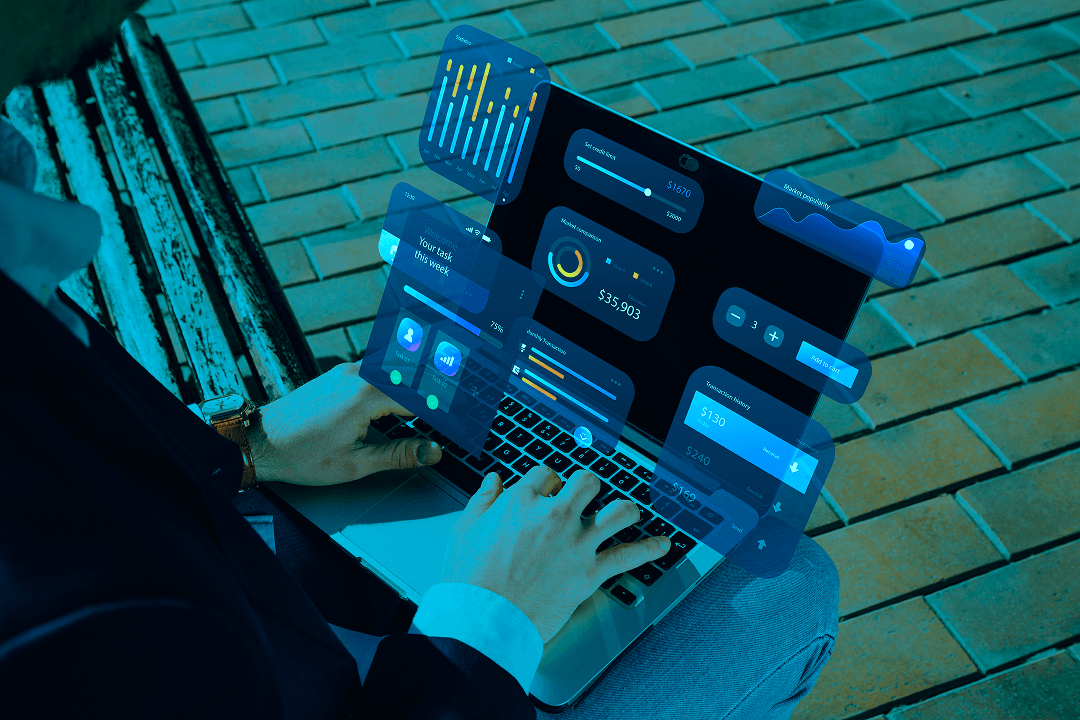
Memilih software house yang tepat menjadi langkah krusial untuk memastikan implementasi Decision Intelligence berjalan optimal dan sesuai kebutuhan bisnis. Tidak hanya soal kemampuan teknis, tetapi juga pengalaman, kredibilitas, dan pemahaman terhadap ekosistem bisnis di Indonesia, khususnya dalam memilih software house yang berpengalaman.
Berikut beberapa tips memilih software house terbaik Indonesia yang perlu diperhatikan:
- Pengalaman pengembangan aplikasi enterprise di Indonesia
Pilih software house yang memiliki rekam jejak dalam menangani proyek skala besar (enterprise). - Portofolio software house terpercaya
Software house dengan pengalaman luas biasanya memiliki studi kasus yang relevan, termasuk solusi berbasis AI. - Kemampuan memahami kebutuhan bisnis lokal
Software house yang baik mampu menyesuaikan solusi dengan regulasi dan pasar lokal. - Keahlian dalam teknologi AI dan data
Pastikan mereka memiliki kompetensi dalam machine learning dan analitik data, serta integrasi sistem untuk mendukung Decision Intelligence secara menyeluruh. - Dukungan dan skalabilitas solusi
Pilih mitra yang tidak hanya membangun sistem, tetapi juga menyediakan dukungan berkelanjutan dan mampu mengembangkan solusi seiring pertumbuhan bisnis Anda.
Adopsi AI-Powered Decision Intelligence memberikan dampak positif signifikan bagi eksekutif modern di Indonesia, mulai dari peningkatan akurasi pengambilan keputusan, efisiensi operasional, hingga kemampuan merespons perubahan pasar secara cepat dan tepat. Dengan dukungan inovasi dari software house, perusahaan dapat memanfaatkan teknologi berbasis data untuk menciptakan strategi yang lebih adaptif dan kompetitif.
Ke depan, peluang pertumbuhan bisnis akan semakin terbuka lebar bagi perusahaan yang mampu mengadopsi teknologi terbaru ini. Decision Intelligence berbasis AI tidak hanya menjadi alat bantu, tetapi juga pondasi penting dalam mendorong transformasi dan digitalisasi perusahaan di era yang semakin dinamis.
Percayakan pengembangan solusi AI Decision Intelligence serta AI Development Anda kepada kami BTS.id salah satu software house Bandung yang terkemuka, sebagai partner teknologi yang memahami kebutuhan bisnis lokal.
Dengan pengalaman, inovasi, dan pendekatan berbasis data, kami BTS.id software house Bandung terpercaya siap membantu Anda mengoptimalkan strategi dan mendorong pertumbuhan bisnis yang berkelanjutan melalui solusi enterprise AI dan AI untuk bisnis.
Kunjungi BTS.id sekarang dan mulai transformasi digital bisnis Anda!
On-Device AI 2026: Peluang Baru bagi Software House Indonesia di Era Privasi Data
Mengenal On-Device AI: Teknologi untuk Masa Depan yang Lebih Aman
Di tengah meningkatnya kekhawatiran terhadap privasi dan keamanan data, On-Device AI hadir sebagai solusi inovatif yang memungkinkan pemrosesan kecerdasan buatan dilakukan langsung di perangkat pengguna.
Software house Indonesia kini semakin melihat on-device AI atau kecerdasan buatan di perangkat sebagai solusi strategis untuk menghadirkan inovasi tanpa ketergantungan penuh pada cloud. Dengan pendekatan local AI processing, data diproses langsung di perangkat pengguna (smartphone, IoT, atau edge devices), sehingga memungkinkan implementasi AI tanpa cloud yang lebih cepat, efisien, dan responsif.
Apa Itu On-Device AI?
On-device AI adalah teknologi di mana model kecerdasan buatan di perangkat seperti smartphone, laptop, atau perangkat IoT memproses data secara lokal. Berbeda dengan sistem berbasis cloud, pendekatan AI tanpa cloud ini tidak memerlukan pengiriman data ke server eksternal untuk dianalisis, dimana pengolahan data dilakukan langsung di perangkat pengguna.
Dengan konsep AI tanpa cloud, data tidak perlu keluar dari perangkat, sehingga risiko kebocoran dapat diminimalkan.
Keunggulan utama teknologi ini terletak pada keamanan data. Karena data tidak perlu dikirim ke server eksternal, risiko kebocoran dan pelanggaran privasi dapat diminimalkan, hal yang sangat relevan dengan meningkatnya regulasi perlindungan data di Indonesia. Selain itu, on-device AI juga memberikan manfaat dalam hal latency rendah, operasional offline, dan penghematan biaya infrastruktur.
Contoh penerapannya meliputi:
- Pengenalan wajah (face recognition) di smartphone
- Asisten suara (voice assistant) yang tetap berfungsi tanpa internet
- Kamera pintar dengan fitur AI untuk meningkatkan kualitas gambar
Bagi software house, adopsi teknologi ini membuka peluang besar untuk mengembangkan produk digital yang lebih terjamin, serta scalable dan efisien. Dengan pendekatan ini, software house dapat menghadirkan solusi yang kompetitif di pasar global, terutama di sektor fintech, healthtech, dan smart devices, sekaligus mengoptimalkan strategi pengembangan aplikasi mobile yang berorientasi pada performa dan keamanan.

Mengapa Privasi Data Menjadi Prioritas di Tahun 2026?
Di tahun 2026, privasi data pengguna menjadi fokus utama seiring meningkatnya penggunaan teknologi digital dan layanan berbasis AI. Semakin banyak data yang dikumpulkan, semakin besar pula risiko penyalahgunaan, sehingga perlindungan data pribadi kini menjadi kebutuhan mendesak bagi individu maupun bisnis.
Perkembangan regulasi privasi 2026 juga mendorong perusahaan untuk lebih transparan dan bertanggung jawab dalam mengelola data.
Di Indonesia, peningkatan kesadaran terhadap keamanan digital Indonesia membuat perusahaan teknologi harus memastikan sistem mereka aman dari kebocoran dan serangan siber.
Bagi pelaku industri teknologi, terutama software house, aspek compliance software house menjadi krusial.
Kepatuhan terhadap regulasi tidak hanya melindungi pengguna, tetapi juga meningkatkan kepercayaan klien dan reputasi bisnis.
Dengan meningkatnya ancaman siber dan tuntutan regulasi, privasi data bukan lagi pilihan, melainkan pondasi utama dalam membangun ekosistem digital yang aman, terpercaya, dan berkelanjutan.
Peluang Besar untuk Software House Indonesia dengan On-Device AI
Perkembangan On-Device AI membuka peluang bisnis AI Indonesia yang semakin luas, terutama bagi perusahaan teknologi yang ingin menghadirkan solusi cepat, aman, dan efisien.
Dengan meningkatnya kebutuhan akan privasi dan performa, software house inovatif memiliki kesempatan besar untuk mengembangkan solusi AI lokal yang relevan dengan kebutuhan pasar domestik.
Dalam konteks transformasi digital Indonesia, adopsi teknologi ini dapat membantu berbagai sektor, mulai dari UMKM hingga enterprise, untuk meningkatkan efisiensi operasional tanpa ketergantungan penuh pada cloud.
Hal ini juga menjadi nilai tambah bagi perusahaan yang ingin menghadirkan layanan berbasis konsultasi AI bisnis yang lebih aman dan responsif.
Beberapa peluang yang dapat dimanfaatkan oleh software house antara lain:
- Mengembangkan aplikasi berbasis AI yang berjalan langsung di perangkat (mobile & IoT)
- Menawarkan solusi dengan fokus pada privasi dan keamanan data
- Menyediakan layanan custom AI sesuai kebutuhan industri lokal
- Mengoptimalkan performa aplikasi tanpa bergantung pada koneksi internet
Competitive Advantage Software House
Dengan mengadopsi teknologi ini, perusahaan dapat membangun competitive advantage software house melalui:
- Diferensiasi layanan berbasis solusi AI lokal yang lebih relevan
- Peningkatan kepercayaan klien melalui keamanan dan privasi data
- Efisiensi biaya operasional tanpa ketergantungan cloud
- Kemampuan menghadirkan inovasi lebih cepat dibanding kompetitor
Ke depan, software house inovatif yang mampu menghadirkan solusi berbasis On-Device AI akan menjadi pemain kunci dalam mendorong pertumbuhan ekosistem digital di Indonesia.
Tantangan dalam Implementasi On-Device AI dan Cara Mengatasinya
Meskipun On-Device AI menawarkan banyak keunggulan, implementasinya tidak lepas dari berbagai hambatan yang perlu diatasi oleh perusahaan, khususnya di Indonesia.
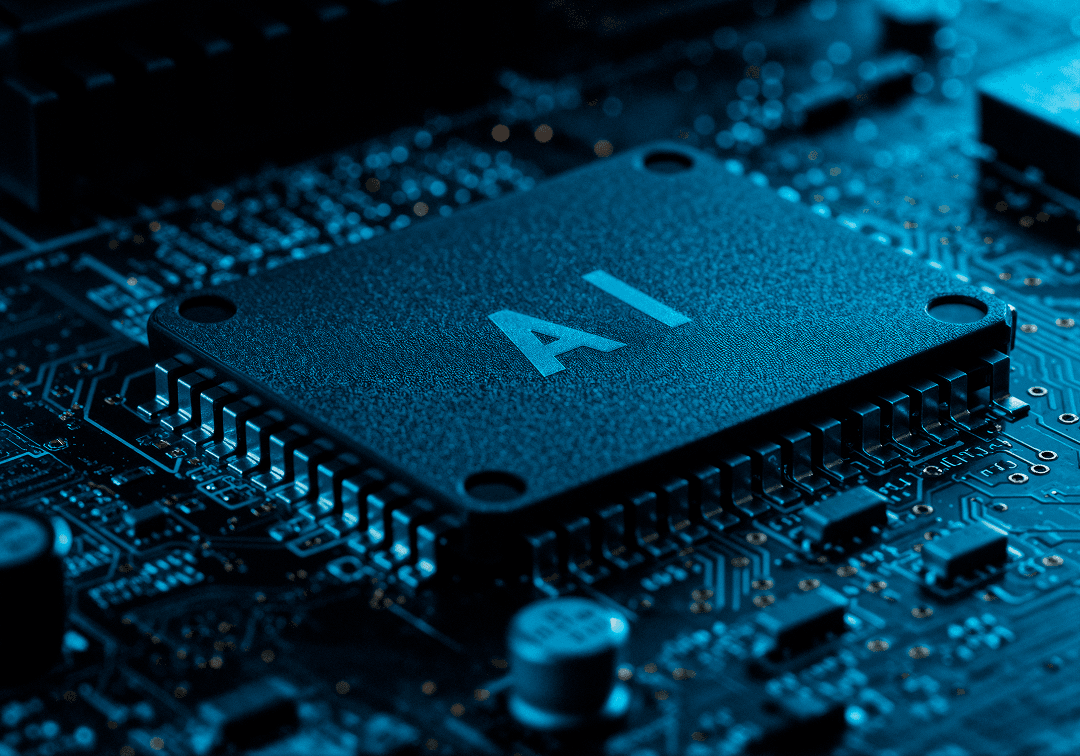
Tantangan Teknis On-Device AI
Beberapa tantangan teknis on-device AI yang umum dihadapi meliputi:
- Keterbatasan kapasitas memori dan komputasi pada perangkat
- Konsumsi daya (battery usage) yang harus tetap efisien
- Kebutuhan optimasi model agar tetap ringan namun akurat
- Keterbatasan kompatibilitas antar perangkat dan sistem operasi
Salah satu tantangan utama lainnya adalah integrasi perangkat keras & lunak.
Model AI harus dioptimalkan agar dapat berjalan pada perangkat dengan kapasitas terbatas seperti smartphone atau IoT, tanpa mengorbankan performa. Hal ini membutuhkan keahlian khusus dalam optimasi model, seperti kompresi model dan efisiensi penggunaan memori.
Selain itu, infrastruktur teknologi Indonesia yang belum merata juga menjadi kendala. Tidak semua wilayah memiliki perangkat atau ekosistem yang mendukung implementasi AI secara optimal, sehingga adopsi teknologi ini bisa berjalan tidak merata.
Di sisi lain, kebutuhan akan investasi riset & pengembangan AI juga cukup besar. Perusahaan perlu mengalokasikan sumber daya untuk mengembangkan model yang ringan, akurat, dan sesuai dengan kebutuhan lokal.
Cara Mengatasinya
Untuk menghadapi tantangan tersebut, beberapa langkah strategis dapat dilakukan:
- Melakukan optimasi model AI agar lebih ringan dan efisien untuk perangkat terbatas
- Mengembangkan kolaborasi antara tim software dan hardware untuk integrasi yang optimal
- Memanfaatkan teknologi edge computing sebagai pendukung implementasi
- Meningkatkan investasi pada riset dan pengembangan untuk inovasi berkelanjutan
Dengan strategi yang tepat, berbagai tantangan teknis on-device AI dapat diatasi, sehingga perusahaan dapat tetap memanfaatkan peluang besar dari teknologi ini dalam mendukung transformasi digital yang lebih aman dan efisien.
Strategi Mengembangkan Produk Berbasis On-Device AI untuk Pasar Indonesia dan Global
Pengembangan On-Device AI memerlukan strategi yang tepat agar mampu bersaing di pasar lokal dan internasional. Dalam pengembangan produk on-device AI Indonesia, fokus utama adalah menghadirkan solusi yang efisien, aman, serta mendukung keamanan aplikasi digital, dan mampu berjalan optimal di berbagai perangkat dengan spesifikasi terbatas. Pendekatan ini juga sangat relevan dalam konteks pengembangan aplikasi mobile yang menuntut performa tinggi dengan konsumsi resource yang efisien.
Di sisi lain, peluang ekspor software house Indonesia semakin terbuka dengan meningkatnya kebutuhan global terhadap AI yang cepat dan berbasis privasi. Hal ini menciptakan peluang global produk digital lokal untuk masuk ke pasar internasional dengan keunggulan performa, keamanan, serta penerapan keamanan aplikasi digital yang semakin menjadi standar utama di berbagai industri.
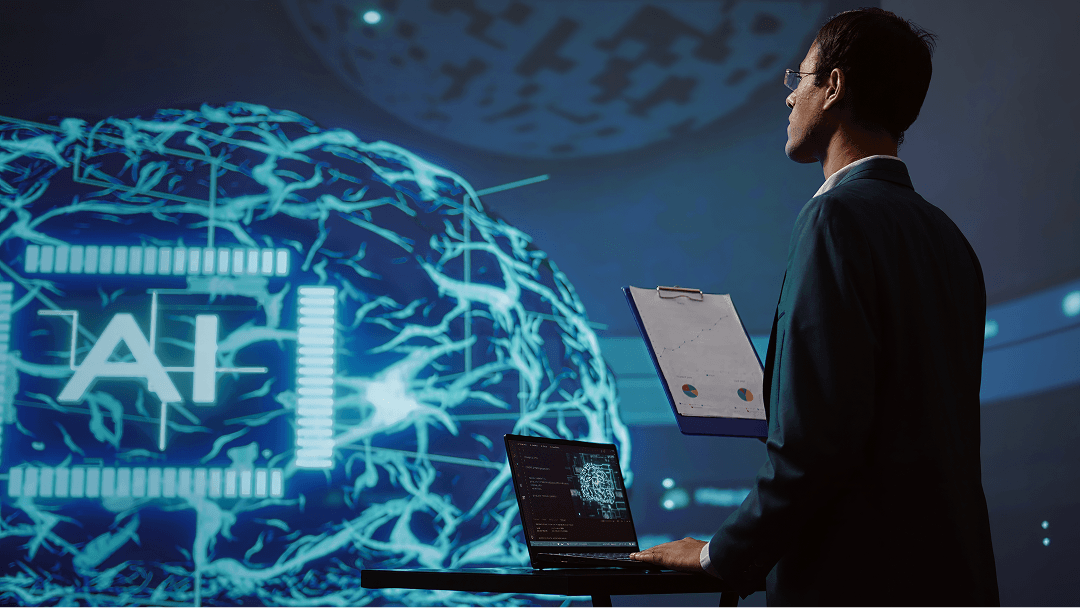
Beberapa strategi yang dapat diterapkan meliputi:
- Mengoptimalkan performa dan kompatibilitas lintas perangkat
- Menjadikan keamanan dan privasi sebagai nilai utama
- Mengembangkan solusi AI yang relevan untuk kebutuhan industri
- Menyesuaikan produk agar siap untuk pasar global
Dengan pendekatan ini, pengembangan produk on-device AI Indonesia dapat menjadi kunci dalam memanfaatkan peluang pasar global sekaligus memperkuat daya saing software house lokal, terutama dengan dukungan konsultasi AI bisnis yang tepat dalam merancang solusi strategis.
Perkembangan On-Device AI membuka peluang besar bagi software house untuk menghadirkan solusi yang lebih cepat, aman, dan efisien, sekaligus meningkatkan standar keamanan aplikasi digital di berbagai sektor industri.
Dengan meningkatnya kebutuhan akan privasi, performa real-time, serta efisiensi tanpa ketergantungan cloud, teknologi ini menjadi pondasi penting dalam transformasi digital masa depan, yang membutuhkan kecepatan dan stabilitas tinggi.
Melalui pemanfaatan AI langsung di perangkat, software house tidak hanya mampu memenuhi kebutuhan pasar lokal, tetapi juga memperluas jangkauan ke pasar global. Inilah saat yang tepat untuk berinovasi, membangun solusi AI yang relevan bersama konsultasi AI bisnis, serta menciptakan keunggulan kompetitif melalui penerapan dan strategi pengembangan aplikasi mobile yang berkelanjutan di industri teknologi.
Siap membawa bisnis Anda ke level berikutnya dengan solusi AI yang aman dan inovatif?
Percayakan pengembangan AI Development Anda bersama BTS.id, salah satu software house Indonesia, dan software house Bandung yang terkemuka, mitra software house terpercaya untuk transformasi digital yang lebih cerdas dan berkelanjutan.
Hubungi tim kami BTS.id sekarang dan mulai langkah Anda menuju masa depan teknologi!
INSIGHT
BRIDGE TECHNOLOGY SERVICES

CLUTCH

GOODFIRM
REVIEW US
BRIDGE TECHNOLOGY SERVICES




OFFICIAL
BRIDGE TECHNOLOGY SERVICES
Explore how we can help you plan, build, and strengthen your digital transformation. Not only does it uplift your business value in general but also strengthen your day-to-day operations and increase efficiency
Grow Your Business Right Now
Contact UsCONTACT
BRIDGE TECHNOLOGY SERVICES